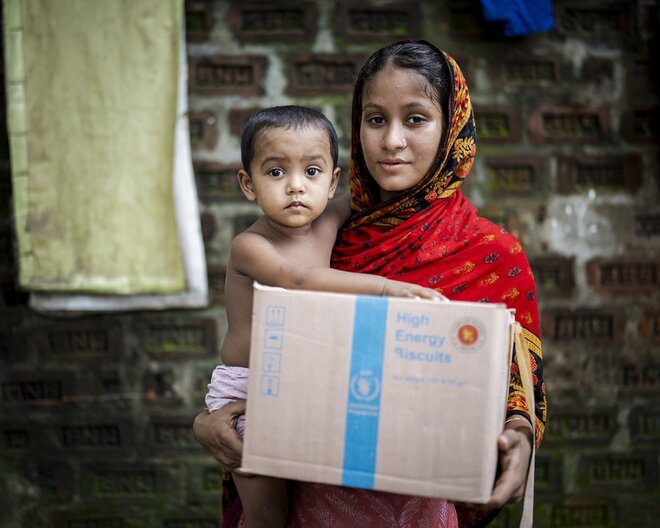

Food insecurity in poor urban neighborhoods is one of the most pressing humanitarian challenges facing the international community in the twenty-first century. Estimates by the World Food Programme (WFP) indicate that over 345 million people worldwide suffer from severe food insecurity, the majority of whom live in urban areas and marginalized communities.
In these neighborhoods, access to food shifts from being a basic right to a daily struggle. Individuals are often forced to rely on low-nutrition meals or skip meals entirely. Studies show that these areas frequently lack well-equipped markets and face high prices for staple foods relative to residents’ limited incomes.
Impacts of Urban Food Insecurity
-
Chronic malnutrition: Children suffer from stunting, anemia, and impaired cognitive development.
-
Diet-related diseases: Conditions such as diabetes, heart disease, and obesity arise from diets high in calories but low in nutritional value.
-
Social and economic effects: Reduced productivity, lower educational attainment, and increased poverty levels.
According to the FAO (2023), severe food insecurity in marginalized urban areas has increased by 25% over the past five years, driven by climate change, rising global food prices, and economic crises.
Recommended Strategic Measures
The International Food Union recommends:
-
Enhancing local food production through urban agriculture and community-based initiatives.
-
Developing food infrastructure to ensure efficient delivery of supplies to poor neighborhoods.
-
Implementing direct food assistance programs for the most vulnerable households.
-
Launching nutrition and health awareness campaigns to improve dietary habits.
Addressing food insecurity in poor urban neighborhoods requires strong political will and collaboration among governments, international organizations, and the private sector. The right to food is not a luxury—it is a cornerstone of human dignity and community security.