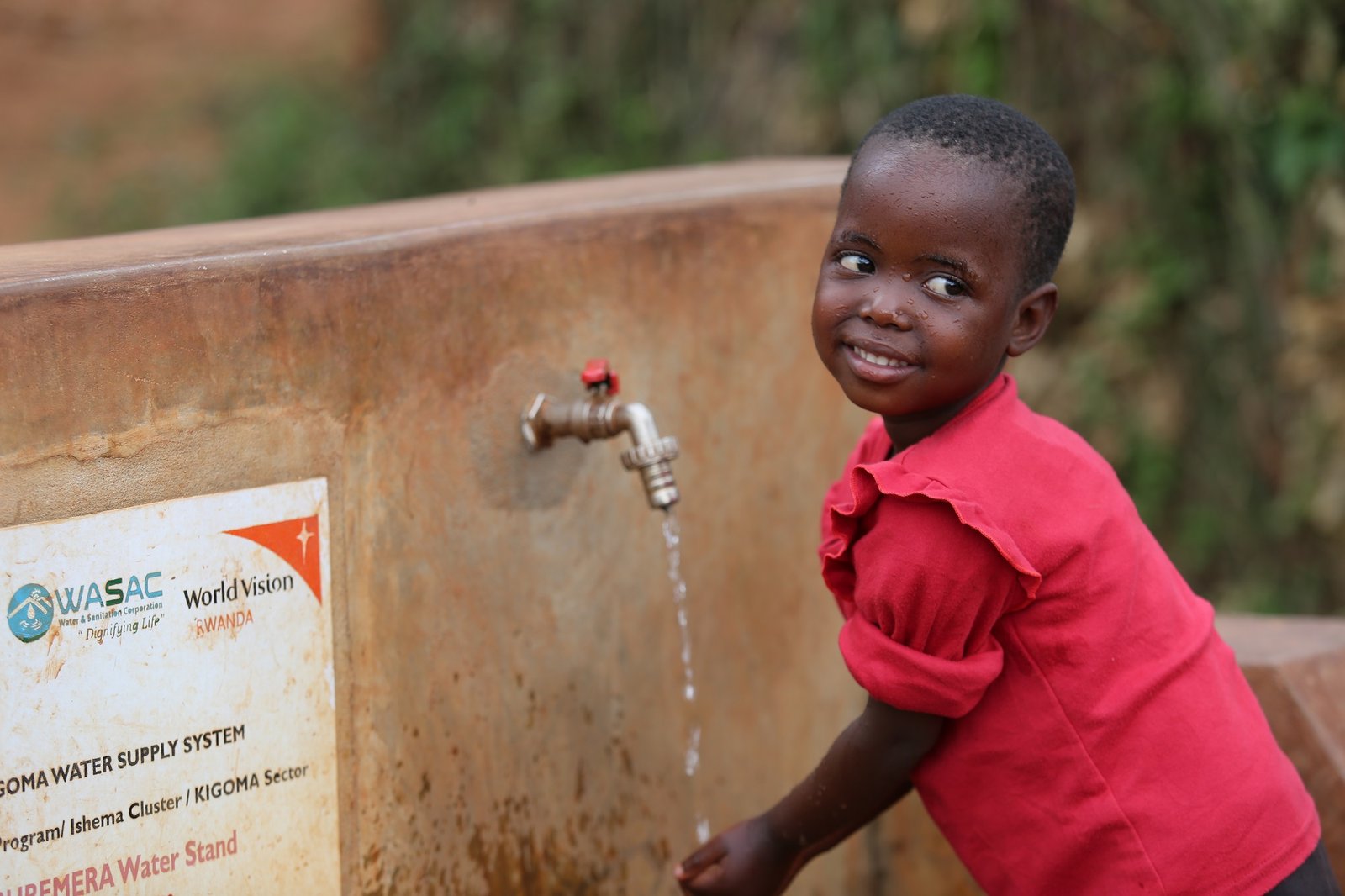

The lack of clean water and proper nutrition represents a dual challenge affecting public health and sustainable development in many countries, particularly in impoverished communities and regions affected by conflicts and natural disasters. According to reports by the World Health Organization (WHO) and UNICEF, nearly 2.2 billion people worldwide lack access to safe drinking water, which negatively impacts their ability to obtain healthy and balanced food.
The Link Between Clean Water and Nutrition
The relationship between clean water and proper nutrition is closely intertwined. Food production, preparation, and consumption all depend on access to safe water. Without it, waterborne diseases such as cholera and typhoid become widespread, leading to deteriorating health and poor nutrient absorption, especially among children.
Data from the World Food Programme (WFP) indicate that severe malnutrition can increase by up to 50% in areas suffering from acute water shortages, as diarrheal and intestinal diseases cause the body to lose essential nutrients such as proteins, vitamins, and minerals.
Key Negative Impacts of Water Scarcity on Nutrition
-
Increased rates of malnutrition, particularly among children under five.
-
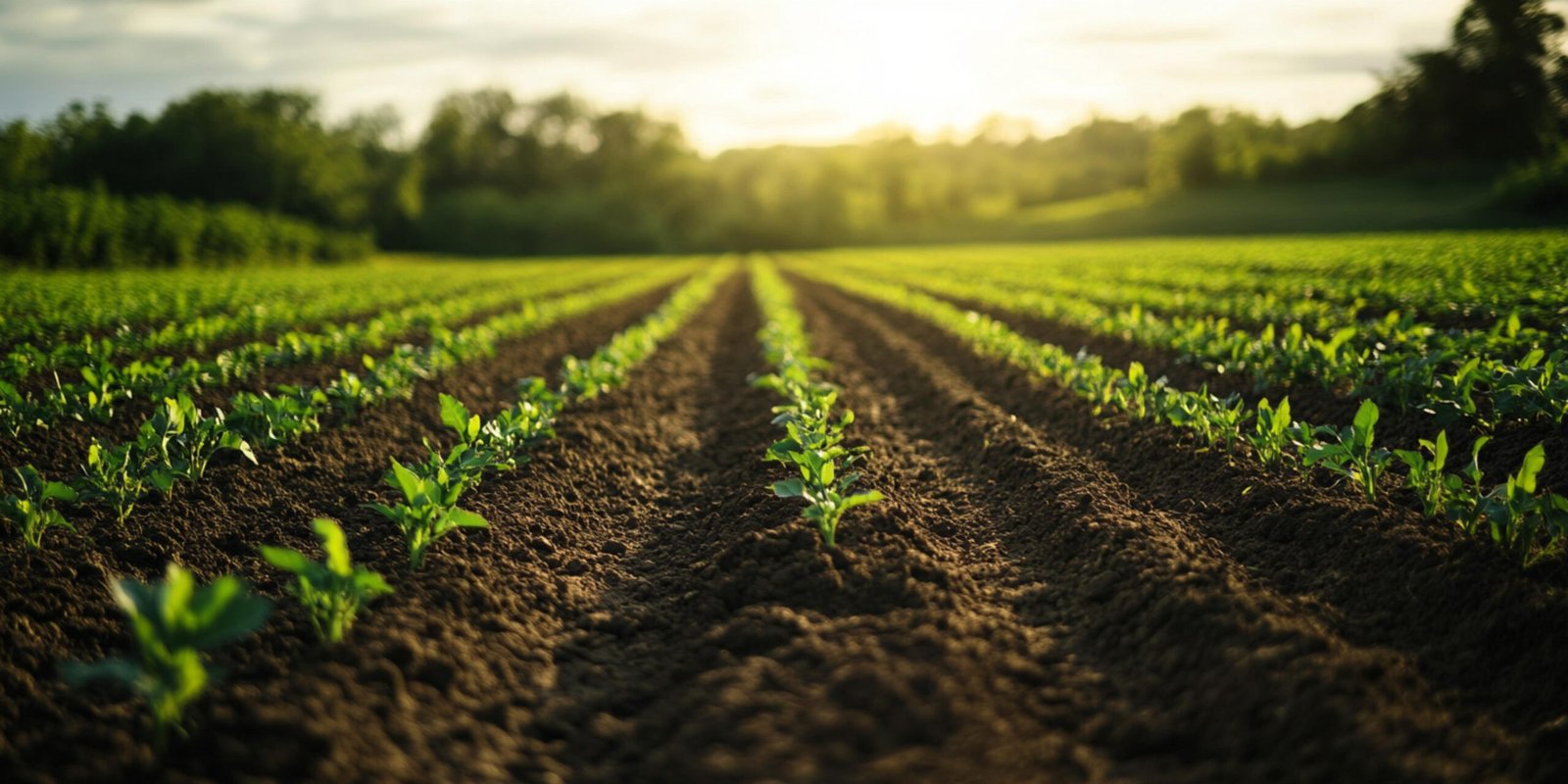
Reduced agricultural production due to water shortages, raising the prices of staple foods.
-
Higher health risks from using contaminated water sources for cooking and washing.
Recommended Measures
To address these challenges, the International Food Union recommends:
-
Expanding safe water supply projects in underserved areas through modern distribution networks and desalination and treatment technologies.
-
Supporting health education programs to raise awareness about personal hygiene and water safety.
-
Promoting sustainable agriculture strategies, such as drip irrigation and rainwater harvesting.
-
Launching integrated initiatives that combine improving water quality with providing healthy food for the most vulnerable populations.
Addressing the crisis of clean water scarcity and achieving proper nutrition is not a luxury—it is fundamental to the right to a dignified life and essential for ensuring health and food security for current and future generations.